
Last updated November 21, 2026
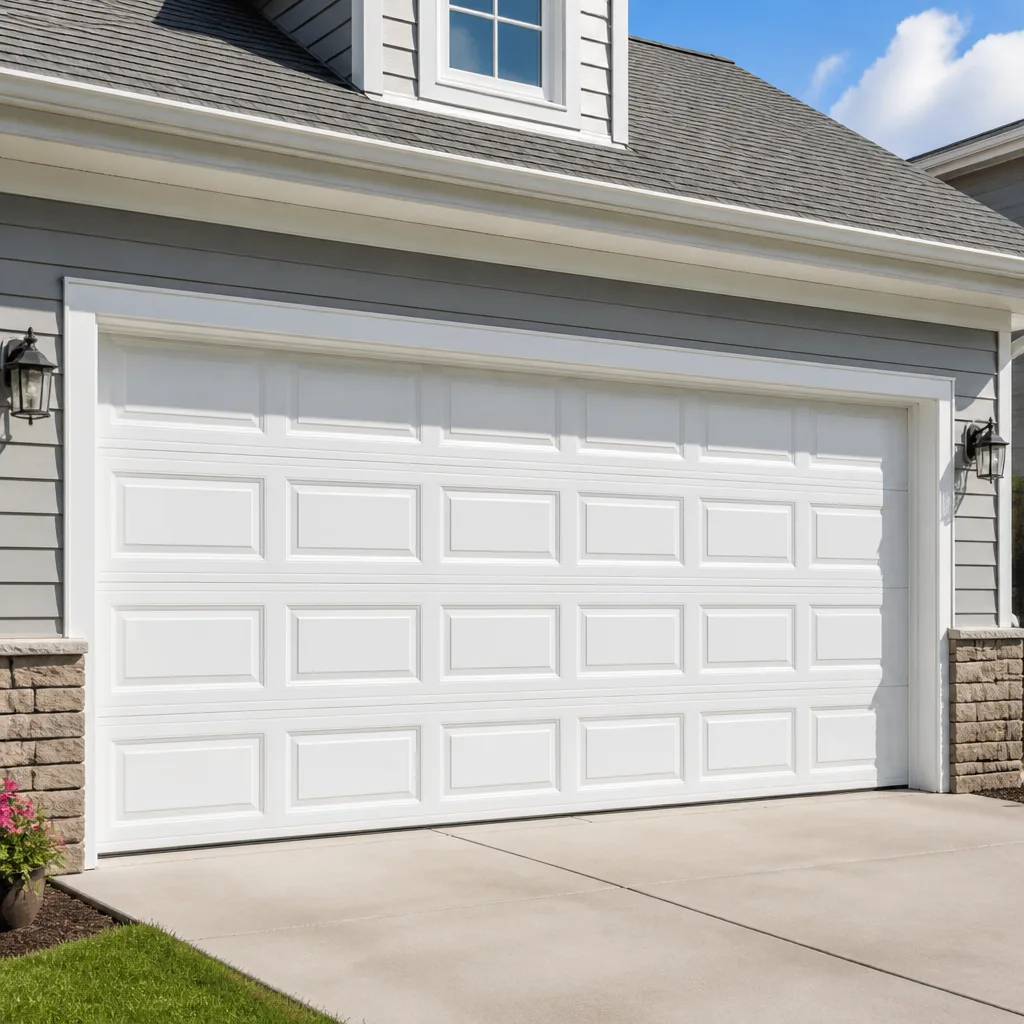 Raised-panel steel
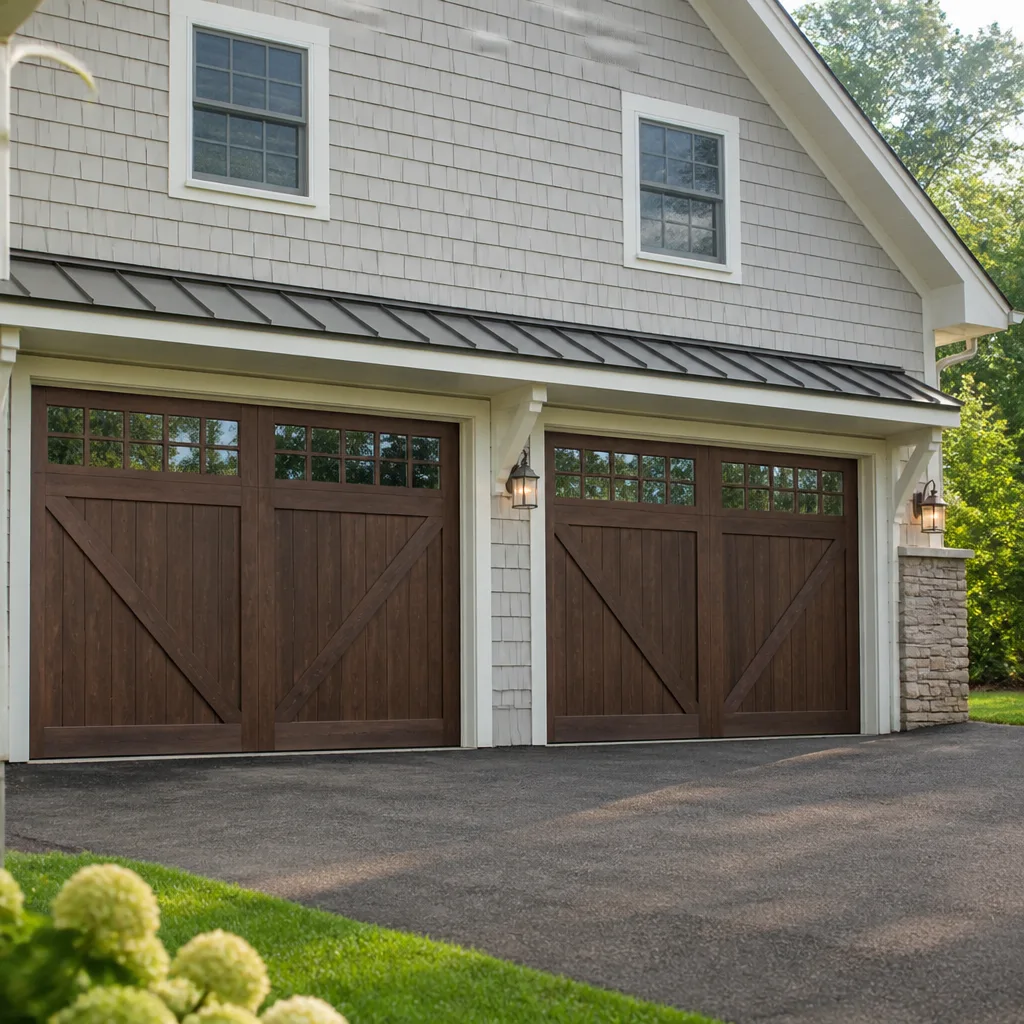 Carriage house
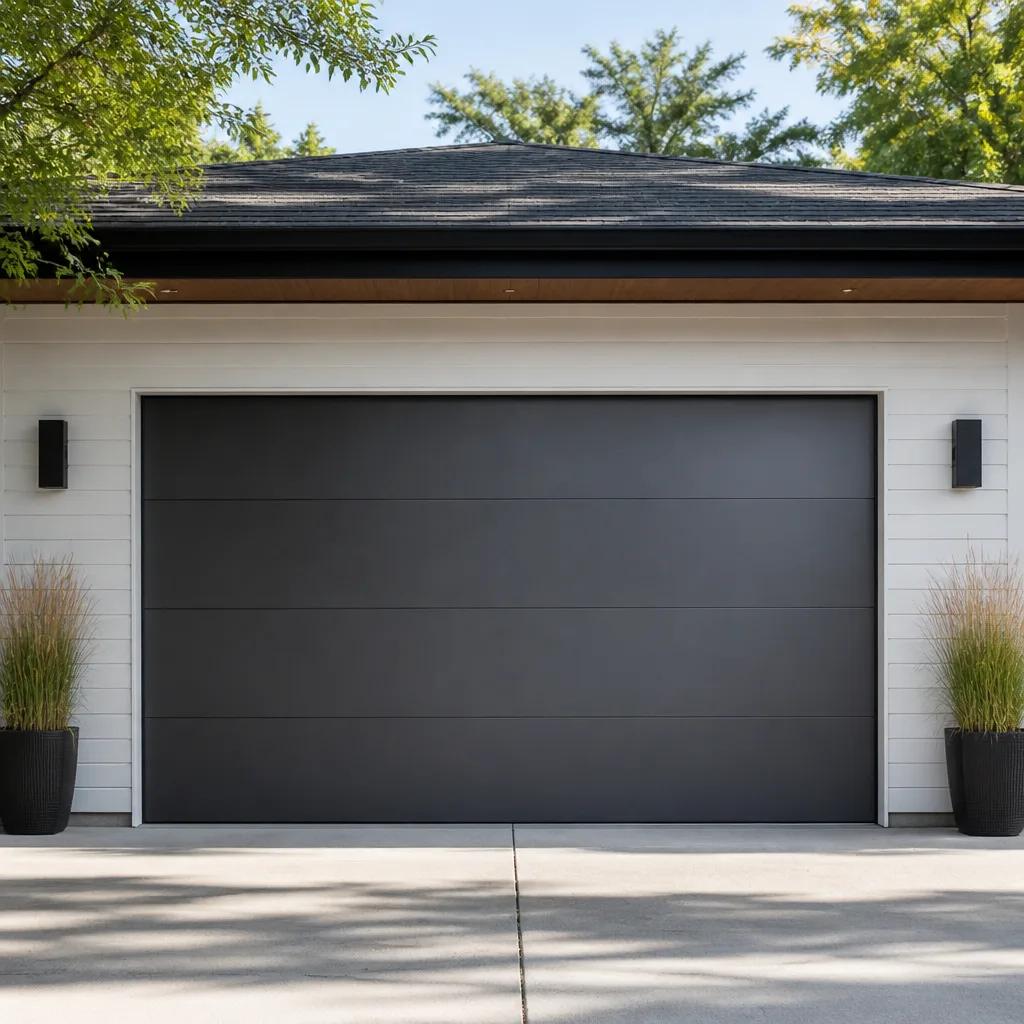 Modern flush
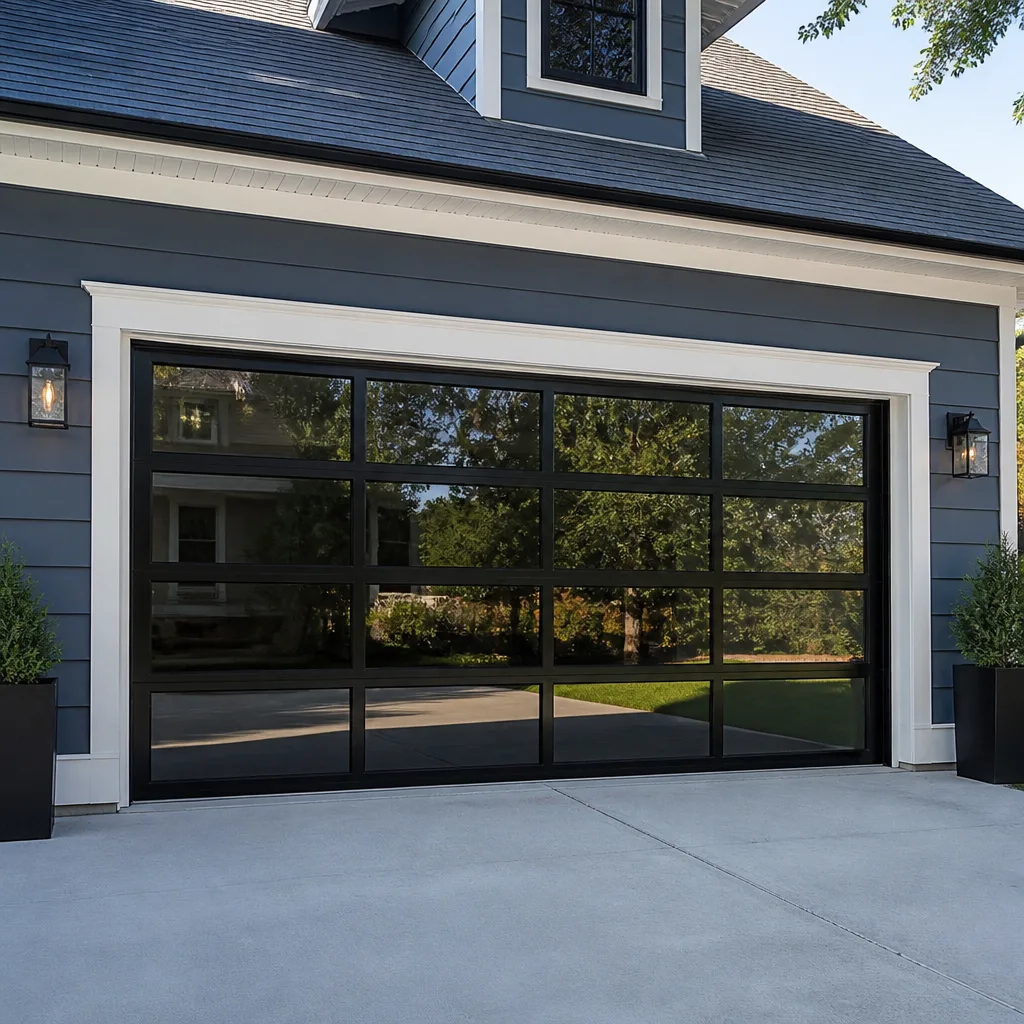 Full-view glass
 LiftMaster openers
 Chamberlain openers
Full 25-point door and opener safety check with every visit - springs, cables, rollers, tracks, and your LiftMaster or Chamberlain opener included
You get a price before we start. It does not change when the pro arrives.
Get your free estimateGarage Door Repair Maintenance Checklist for Wesley Chapel Homeowners
The number-one source of urgent garage door calls we get in Wesley Chapel isn’t a snapped spring. It’s a corroded safety sensor eye that failed quietly over months while the door kept working just fine, until the morning it refused to close at all. Springs get the attention because they’re dramatic. Sensors, rollers, and tracks are what actually strand people. This guide ranks the failures our technicians find most often on Wesley Chapel doors by how frequently they trigger emergency calls, then gives you a 15-minute monthly walk-around with pass/fail criteria you can actually use. You’ll also learn which lubricants help, which hardware-store products quietly destroy rubber seals in Florida heat, which tasks void manufacturer warranties, and how to log maintenance so a technician diagnoses faster when something finally does break.
Quick Answer
For a Wesley Chapel homeowner, the highest-value garage door maintenance is a 15-minute monthly check of the safety sensor eyes, rollers, tracks, and weather seal, plus a light lubrication of springs, hinges, and rollers with a silicone- or lithium-based product. Do this consistently and you’ll catch the humid-climate failures that cause most emergency calls before they leave you with a door that won’t close. Springs, cables, and opener adjustments belong to a trained technician, not a homeowner with a ladder.
Styles & brands we work with
- Raised-panel steel
- Carriage house
- Modern flush
- Full-view glass
- LiftMaster openers
- Chamberlain openers
Table of Contents
- The Failure Ranking: What Actually Breaks First in Wesley Chapel
- Why Safety Sensors Fail So Often in Wesley Chapel Humidity
- Spring Fatigue and the Temperature Cycling Problem
- The Right Lubricants, and the Products That Ruin Rubber Seals
- The 15-Minute Monthly Walk-Around Checklist
- Which Maintenance Tasks Void Your Manufacturer Warranty
- How to Log Maintenance So a Technician Diagnoses Faster
- A Wesley Chapel Seasonal Maintenance Calendar
The Failure Ranking: What Actually Breaks First in Wesley Chapel
If you’ve read a standard garage door maintenance guide, you’ve probably been told to “lubricate and listen.” That’s fine advice in a dry climate. In Wesley Chapel, where humidity sits high for most of the year and temperatures cross 90°F through the summer, the failure order is different. Based on our technicians’ calls across Wesley Chapel neighborhoods, here’s the ranking from most to least frequent:
- Safety sensor misalignment and corrosion. The infrared eyes near the floor take the most moisture and the most dirt. Oxidation and scaling cause intermittent blocking that the door reads as an obstacle.
- Lubricant-starved rollers and hinges. Humidity doesn’t just rust metal, it also dries out factory grease faster than most homeowners expect.
- Weather seal degradation. The rubber flap along the bottom of the door bakes, cracks, and shrinks in sustained heat.
- Spring fatigue. Temperature cycling over months at a time adds up to more metal fatigue cycles than a spring in a milder climate would see.
- Roller bracket rust competing with cable fraying. Rust tightens brackets; fraying weakens cables. Both cause binding that the opener strains against.
- Opener logic board and photo-eye faults. Modern units, whether LiftMaster, Chamberlain, Genie, or Craftsman, react badly to moisture in the housing.
That last point matters for Wesley Chapel homeowners because so many homes here were built in newer residential developments where a smart opener was installed at construction. Those units have more electronics to attract moisture and more firmware to complain. When you need garage door repair, knowing which failure came first saves diagnostic time and a second visit.
Why Safety Sensors Fail So Often in Wesley Chapel Humidity
The two photo-eye sensors mounted at the base of your door tracks are the most exposed electronics in your garage. They sit a few inches off a concrete floor, in a space that in Wesley Chapel tends to hold humidity all night, and they’re often within splash range of a pressure-washed driveway. Add the fine grit that blows in from nearby roads and new-construction dust, and you get the perfect conditions for a sensor to work perfectly for months and then stop one morning without warning.
Most failures are one of three things:
- Dirty lenses. The simplest case. A soft cloth and a little water solve it.
- Micro-corrosion on the wiring contacts. The contact points oxidize, resistance rises, and the opener starts reading the sensor as blocked. This is the failure that quietly accumulates.
- Physical misalignment. One sensor knocked slightly off aim – often by a lawnmower, a kid’s bike, or a bump when loading the trunk – and the beam never lands on its partner eye.
Here’s what a pass/fail check looks like. Close the door and then break the beam with a shoebox. On most systems, the opener’s LED indicator on the motor head will flash a set number of blinks to tell you whether the obstruction was the sending or receiving eye. If the door won’t close while the path is clear, the sensors need attention. That signals one of the three failures above, not a broken opener. Our garage door opener repair technicians check sensor wiring and contact condition on every call for this exact reason: a sensor problem masquerades as an opener problem, and swapping the opener wouldn’t fix it.
Spring Fatigue and the Temperature Cycling Problem
Torsion and extension springs are rated in cycles, not years. A standard spring is engineered for a set number of open-and-close cycles. What most homeowners don’t realize is that temperature cycles count. Every time the garage heats up during the day and cools at night, the metal expands and contracts slightly. Over a Central Florida year with sustained heat and only mild winters, those cycles add up. Springs simply wear out on a Wesley Chapel door in a way that a cooler-climate spring wouldn’t in the same number of door cycles.
Extension springs, common on older Wesley Chapel homes, also stretch. They lose tension and hang lower; if they’re unprotected, a snapped spring whips. Torsion springs live on the header above the door and fail with a loud snap that often sounds like a gunshot. You may notice:
- A door that opens halfway and stops.
- A loud crack from the garage when the door was opened.
- A gap in the spring coil, or a visibly broken extension spring.
- A door that comes down hard rather than gliding.
Do not attempt to adjust or replace springs yourself. Torsion springs are under extreme tension. A wrong move can cause serious injury even on a door in a Wesley Chapel driveway. Spring work belongs to a trained technician with proper winding bars and knowledge of your door’s weight-to-spring match. Our garage door spring repair service is a dedicated specialty for that reason, done safely with the right tools and spring spec. If you ever hear that snap, don’t cycle the door again. Call and let a pro handle it.
The Right Lubricants, and the Products That Ruin Rubber Seals
The single biggest mistake Wesley Chapel homeowners make with garage door lubrication is grabbing a can of WD-40 or a general-purpose white grease from the hardware store. WD-40’s standard formula is a solvent, not a lubricant, and it will strip what’s left of the factory grease and leave the metal dry. Heavy grease attracts grit, which turns into a grinding paste on your rollers. Either way you shorten component life.
Here’s what to use, and where:
- Silicone spray on hinges, roller bearings, and the torsion spring coils. It stays slick, doesn’t attract dust, and doesn’t attack rubber.
- White lithium grease on the opener rail and the opener’s drive screw, if your opener has one. Use a light film, not a coat.
- Nothing on the rubber weather seal. Most seal rubber is EPDM or vinyl. Petroleum-based sprays, and many aerosol “silicone” products with petroleum in the solvent, accelerate cracking in sustained heat above 90°F. The Florida sun through an open garage does as much damage as anything else. If the seal is already cracked, replace it, don’t lube it.
- Nothing on the tracks. Track surfaces should be clean and dry. Wipe them down with a damp cloth. Grease on the tracks holds grit and accelerates roller wear.
One coating per year, on the moving metal, is enough in our experience. Anything more is wasted product. The rubber components get inspected, not oiled.
The 15-Minute Monthly Walk-Around Checklist
Here’s a workable monthly walk-around with concrete pass/fail criteria. Set a phone reminder for the first weekend of every month. Fifteen minutes is the whole job.
- Sensor eyes (2 minutes). Wipe both lenses with a soft cloth. Pass: both sensor LEDs are lit steady. Fail: amber or flickering. Recheck alignment, then call if misalignment isn’t obvious.
- Door balance test (3 minutes). Disconnect the opener (usually a pull cord) and lift the door halfway by hand. Pass: door lifts easily and stays put at the halfway point. Fail: door drops, feels heavy, or needs effort to lift. That points to spring fatigue or a mis-set torsion.
- Rollers and hinges (3 minutes). Inspect each roller (there are usually 10-12) and each hinge knuckle. Pass: rollers roll smoothly, no visible flat spots; hinges are tight, no rust flaking. Fail: a wobbly roller, a hinge that has started to rust through.
- Tracks (2 minutes). Run a hand down each vertical track. Pass: straight and clean. Fail: dents, bent sections, or a visible gap at the door edge.
- Weather seal (2 minutes). Look along the bottom rubber seal and the side jambs. Pass: seal touches the floor along the full width, no visible cracks. Fail: light showing under the door when closed, or a rubber flap that has hardened and curled.
- Cables (1 minute). Visual only. Pass: cables run clean and tight in their brackets. Fail: visible fraying or a slack cable. Do not touch cables. They’re under load; a frayed cable can snap and lash. Call for a technician.
- Opener behavior (2 minutes). Cycle the door open and closed twice. Pass: door travels smoothly, reverses when you break the sensor beam, no odd noises. Fail: grinding, hesitation, or a door that reverses without an obstruction.
Anything that comes back “fail” on items 2, 4, or 6 is worth a call. Sensor and lubrication items are usually homeowner-doable; balance, seals, and cables are not. When a call is urgent, drop us a line and we’ll get a technician out: Wesley Chapel Garage Door Repair Co covers the full range, from a door that won’t close at night to a full replacement.
Which Maintenance Tasks Void Your Manufacturer Warranty
Wesley Chapel is full of newer construction, and many of those homes were delivered with doors and openers from LiftMaster, Chamberlain, Genie, Clopay, Amarr, Wayne Dalton, Craftsman, or Raynor. Every one of those manufacturers warrants their product under specific conditions. Certain homeowner actions will void the coverage, and a couple of them are surprisingly easy to trip by accident.
The most common warranty-killers we see:
- Replacing a spring with the wrong specification. Springs are matched to your door’s weight and height. A spring from an online kit labeled “universal” will often run the door incorrectly and can void both the spring and the door warranty. Use the original spec.
- Adjusting opener force settings beyond the manufacturer’s recommended range. This is the single most common warranty issue on modern LiftMaster and Chamberlain openers. Turning up the force limits to compensate for a binding door masks the real problem and stresses the opener mechanism.
- Using the wrong lubricant on sliding or rubber components. Some Clopay and Amarr door warranties cover weather seal and hardware finish; petroleum-based products on those parts can void that coverage.
- Installing third-party accessories that aren’t certified for the opener. On modern Wi-Fi-enabled openers, a generic wireless add-on can interfere with the unit’s control board. Stick with manufacturer-certified accessories.
- Attempting spring or cable replacement yourself. Most manufacturers explicitly exclude damage caused by unauthorized disassembly. It’s also the most dangerous work on the door.
If you’re not sure whether a task is covered, ask before you do it. A call to the manufacturer’s support line will confirm it, and our technicians diagnose by brand so the right parts end up on the door in the first place.
How to Log Maintenance So a Technician Diagnoses Faster
When a door finally does need a professional visit, the information you hand the technician at the door is worth real money in diagnostic time. Most service call costs come from working out what’s actually failed and when. A homeowner with a written maintenance log shortens that by more than you’d think.
Here’s what to keep, in a notes app, a paper garage binder, or a spreadsheet. None of it is complicated.
- Monthly check results. Date, which items passed and which failed, and any odd behavior you noticed. A “door opened weakly on a Wednesday” note is a data point.
- Spring replacement record. If a spring has been replaced, the model and install date. Spring life is measured in cycles, and a technician can immediately know whether you’re near the expected end of it.
- Opener model and any codes. The opener model number, and the manufacturer’s error code pattern if the LED has recently flashed. Modern LiftMaster and Chamberlain units flash specific codes when the photo eye or the logic board has a fault; a photo of the flashing pattern is better than a memory.
- Lubricant log. Last time the moving metal was lubricated, with what product. If a bar-and-chain or screw-drive opener is noisy, the last lubricant type answers a lot.
- Door brand and model. Stamped on the door or on a label inside the panel. A Wayne Dalton or Raynor door takes different springs and cables than a Clopay. The technician saves a step.
Any technician who sees a log walks the door faster and with better information. If you don’t have a log, start one now: date every entry. And if you want us to start it for you, call and we’ll document the visit.
A Wesley Chapel Seasonal Maintenance Calendar
Wesley Chapel’s climate gives us a long warm season and only mild winters, which means the door sees more heat exposure than most of the country. A quarterly approach works better than trying to remember at random:
- Spring (March-May): Full walk-around. Check sensors and weather seal. Lubricate moving metal. Test door balance by hand. This is the season to catch heat damage from the previous summer.
- Summer (June-September): Mid-season sensor cleaning. The highest-humidity and highest-heat months accelerate sensor corrosion and weather seal damage. Wipe down the sensor lenses once in the middle of the season.
- Fall (October-November): Full walk-around again. Check weather seal alignment before the cooler nights. Inspect cables (visual only). Test the opener’s safety reverse.
- Winter (December-February): Light cycle. Focus on lubrication and track cleaning. Listen for unusual opener noise, which is easier to hear when the house is quieter and the AC is off.
The summer months are your priority. If you only do one full pass, do it in June. That’s the point in the Wesley Chapel year when humidity and daily highs combine to age components fastest.
Common Mistakes to Avoid
- Using WD-40 as a lubricant. It strips grease and leaves metal dry. In a humid Wesley Chapel garage, dry metal rusts within weeks. Use silicone spray on the moving parts, and use it sparingly.
- Ignoring the sensor eyes because the door “still works.” A partially corroded sensor works on dry mornings and fails after rain. It’s the quietest failure in the system, and it’s what lands most homes on our emergency list.
- Lubricating the rubber weather seal. Many a Wesley Chapel homeowner has sprayed silicone on the bottom rubber to stop a squeak and accelerated the seal’s cracking in the Florida heat. Lubricate metal. Leave rubber dry.
- Replacing a spring with a “universal” kit from a box store. Springs are matched to door weight and height. The wrong specification voids the door warranty, and the door will still bind.
- Adjusting the opener’s force limits to compensate for a binding door. This masks the real failure (usually rollers or a track misalignment) and shortens opener life. Fix the movement, not the force.
- Greasing the tracks. Tracks should be clean and dry. Grease on the tracks holds grit and turns your rollers into grinding stones. Wipe them with a damp cloth instead.
- Skipping the balance check because the door “sounds fine.” An out-of-balance door strains the opener on every cycle. The balance test takes three minutes with a pull cord, and it’s the fastest way to spot spring trouble early.
See the difference
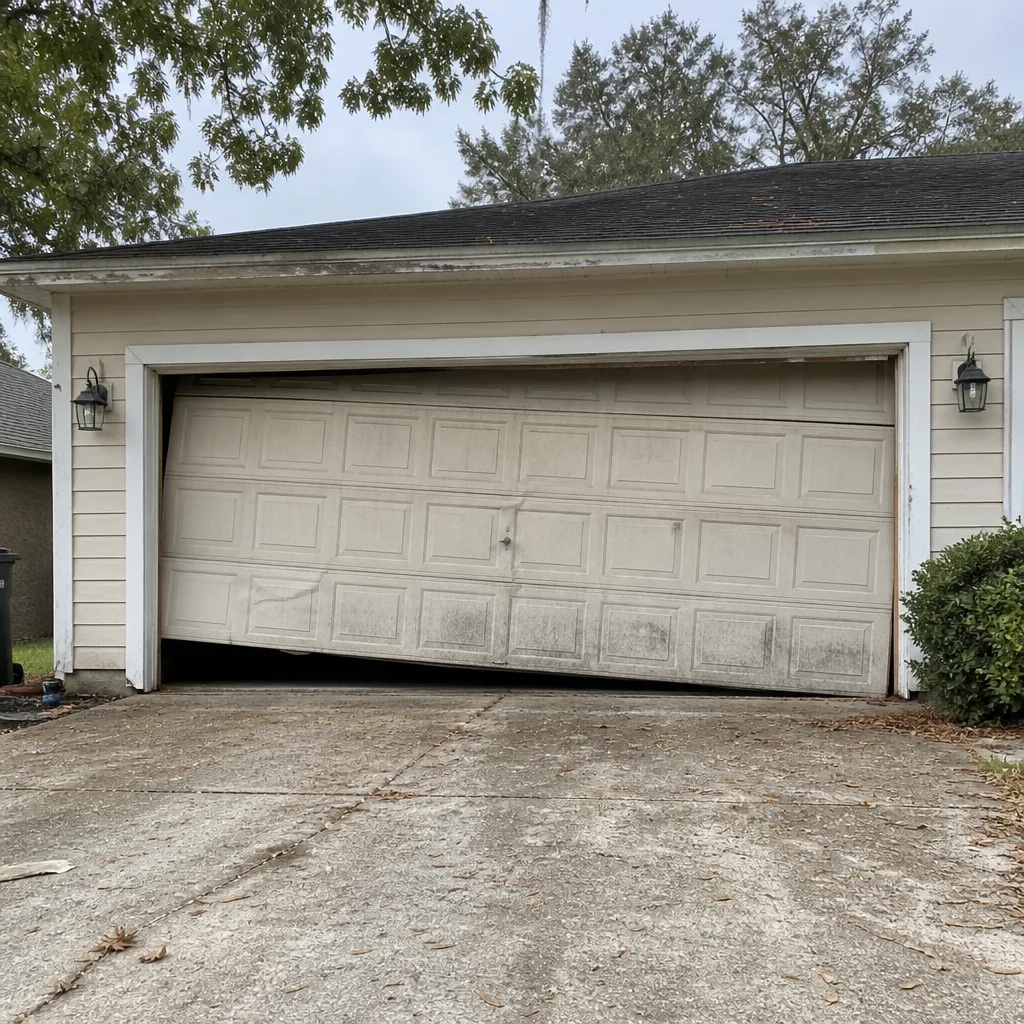 Before
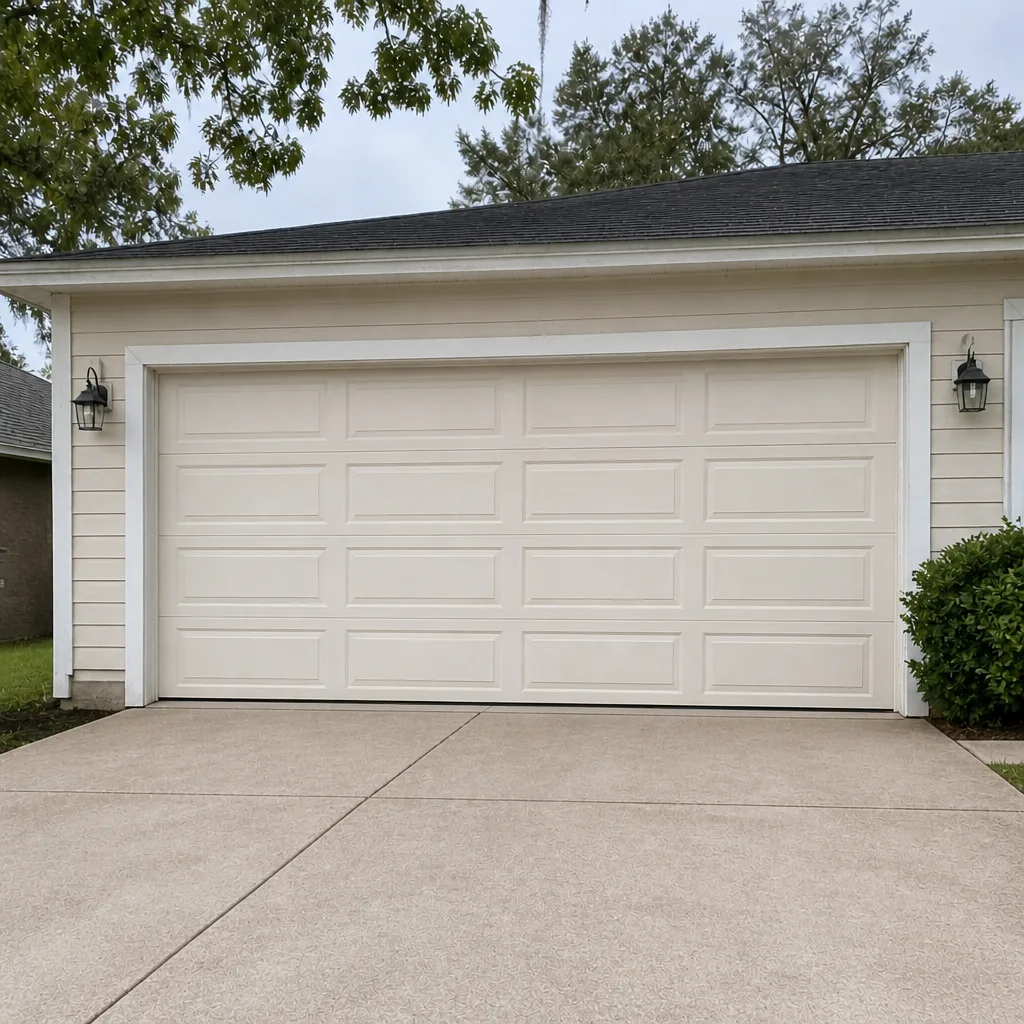 After
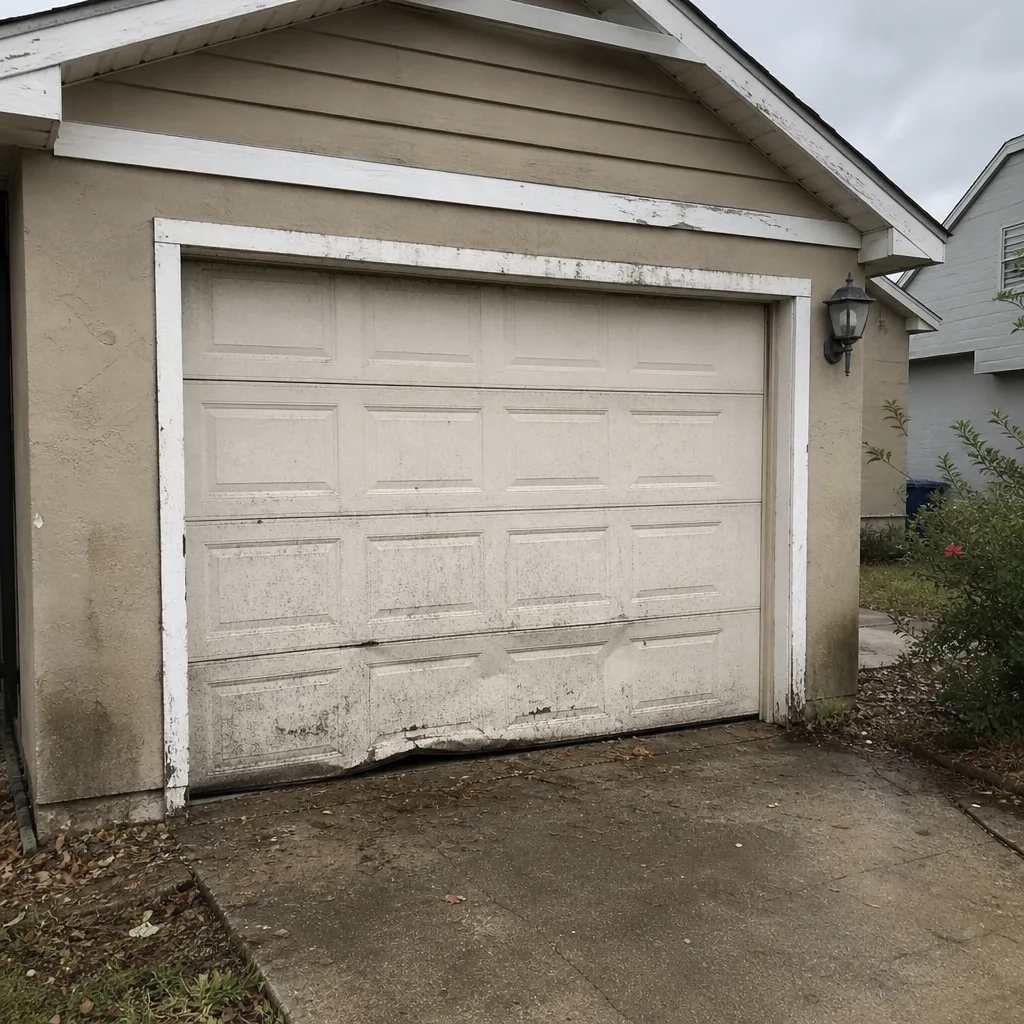 Before
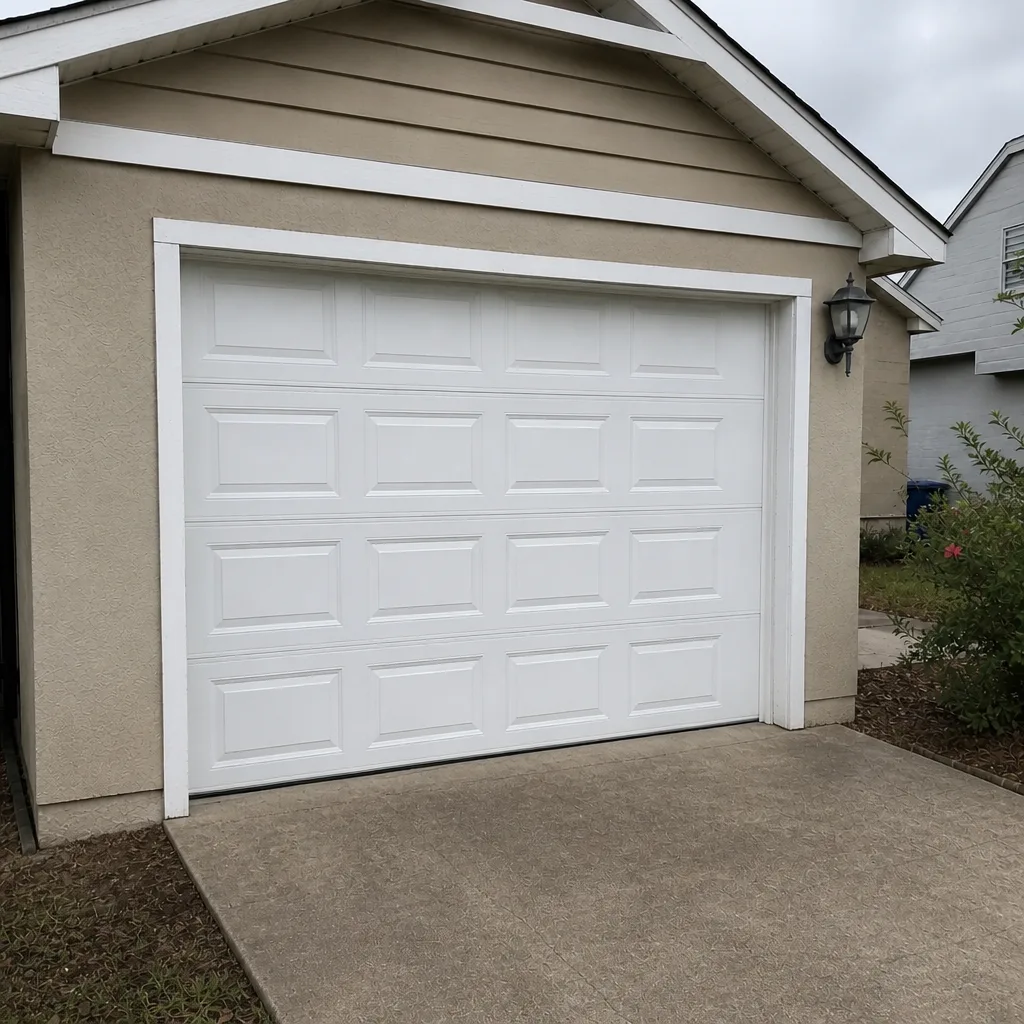 After
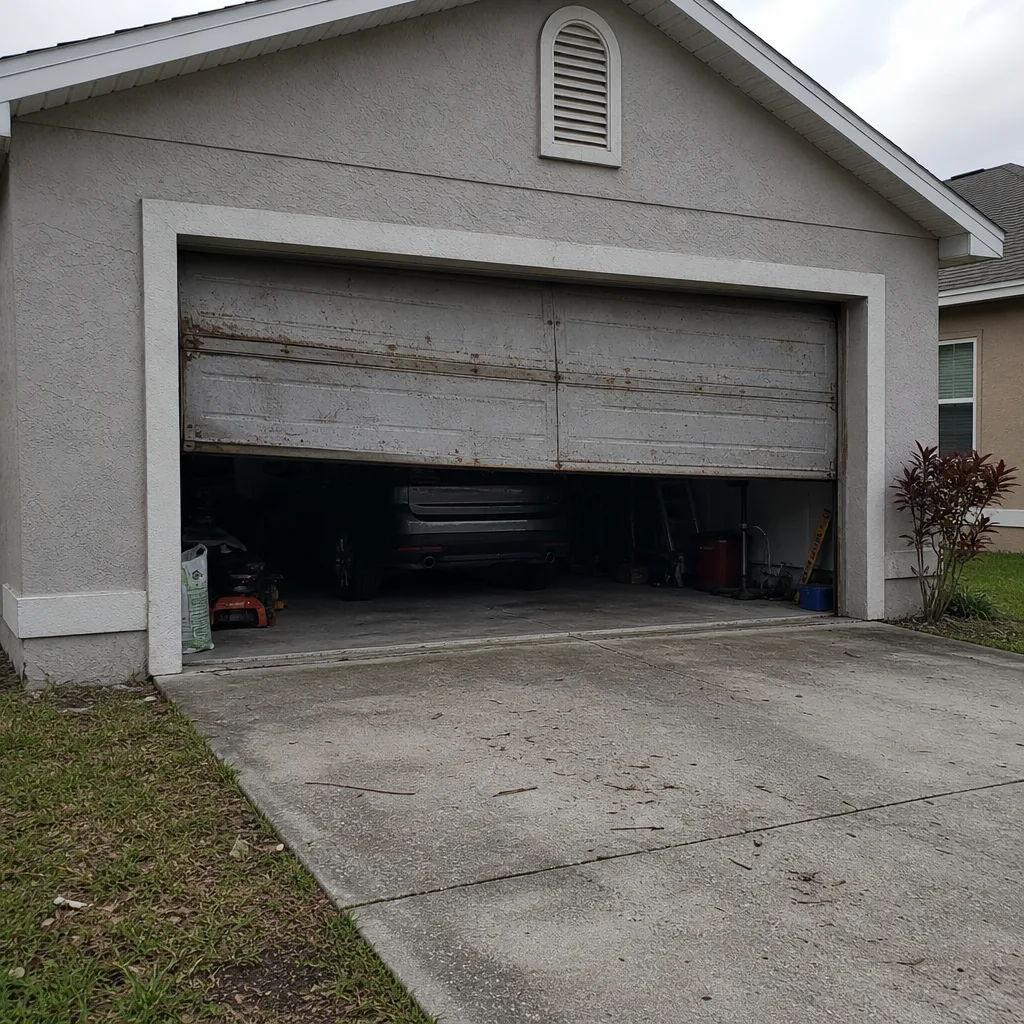 Before
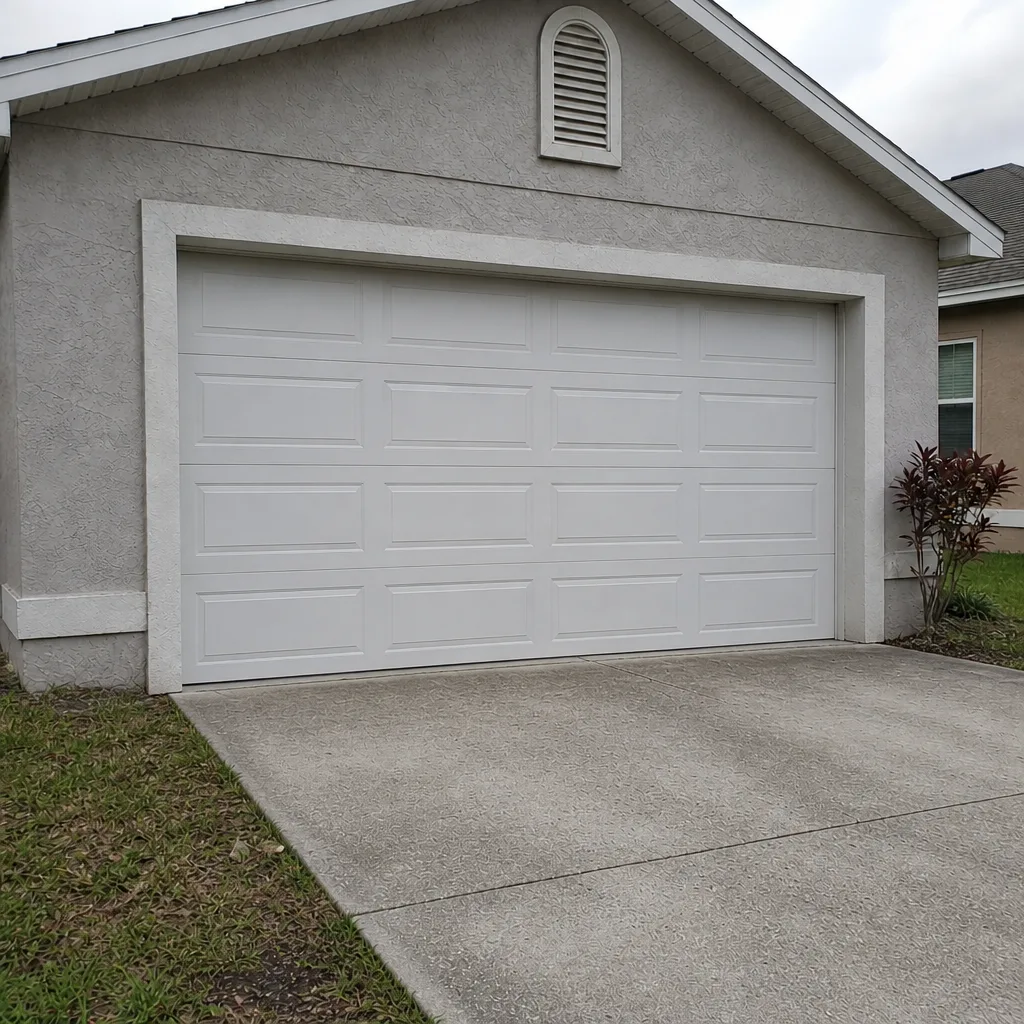 After
When to Call a Professional
A few situations in a Wesley Chapel home aren’t DIY maintenance, full stop. Call when the door won’t close all the way on a clear path, when you hear the snap of a spring, when a cable looks frayed or hangs slack, or when the door drops hard on the balance test. Call if the opener reverses without an obstruction, makes grinding noises, or shows a repeated error code on the motor-head LED. Call if a track is dented or the weather seal gap is more than a sliver. And call if the door is old enough that you don’t know its spring history; a fresh inspection is worth more than another round of guessing. Wesley Chapel Garage Door Repair Co offers free estimates in Wesley Chapel. Call (855) 337-1134. We answer 24/7. Fast dispatch from 7am to 7pm, Sunday through Friday.
Frequently Asked Questions
Do a 15-minute walk-around once a month and a full lubrication pass once a year, with a mid-summer sensor clean in June. The Wesley Chapel climate (high humidity through most of the year, heat above 90°F in the summer) puts more stress on sensors, seals, and springs than a mild dry climate would. That’s why we recommend the monthly cadence here rather than the “twice a year” you’ll see in generic guides. Call (855) 337-1134 if you’d like us to walk through the inspection with you; estimates are free.
Yes, on the moving metal parts only. Silicone spray on springs, hinges, and roller bearings, and a light film of white lithium grease on the opener rail, is safe for a homeowner with a step ladder. Stay off the tracks (clean with a damp cloth only), don’t touch the springs or cables under tension, and don’t lubricate the rubber weather seal. If the door is binding or fragile, skip the lube and call a technician. Call (855) 337-1134 for a free estimate.
Adjusting the opener’s force settings beyond the manufacturer’s recommended range is the most common way Wesley Chapel homeowners void a LiftMaster or Chamberlain warranty without realizing it. Also watch for installing uncertified third-party accessories, attempting to repair the logic board, or replacing the door’s spring with a non-matching specification that overloads the opener. Check your model’s warranty booklet before doing any task beyond lubrication and sensor cleaning. When in doubt, call (855) 337-1134 for a free estimate.
Safety sensors sit a few inches off a concrete garage floor in a climate that stays humid most of the year, and they take splash from pressure-washed driveways and grit from nearby construction. That combination causes contact oxidation and lens scaling that a milder climate wouldn’t produce as fast. A monthly wipe of the lenses and a visual check of the wiring contacts prevents most failures. If your door won’t close on a clear path, call (855) 337-1134; we answer 24/7 and dispatch Sunday through Friday, 7am to 7pm.
It shortens the diagnostic step and often avoids a second visit. A log with the door’s brand, opener model, spring replacement date, monthly check results, and any error codes puts the technician at the right starting point instead of working backward from symptoms. In our experience, a well-kept log also keeps the customer’s cost down because we aren’t re-checking things that were fine last month. Call (855) 337-1134 for a free estimate.
Repair covers a door that’s binding, out of balance, or has other spring-related symptoms that haven’t yet reached a break; replacement is a full swap after a spring has failed or reached the end of its rated cycles. Both belong to a trained technician – torsion springs are under extreme tension, and that’s not a homeowner job. Our garage door spring repair service handles both, with proper tools and the right spring spec for your door’s weight. Call (855) 337-1134 for a free estimate.
The Bottom Line
The failures that strand a Wesley Chapel homeowner are usually not the dramatic ones. A quiet sensor failure over months, a baked weather seal, a spring that cycles to its end because of Central Florida’s heat: those produce most emergency calls, and they’re the ones a 15-minute monthly walk-around catches early. Wipe your sensor lenses, keep a maintenance log, lubricate the metal parts only, and call a technician on the balance test or a snapped spring. Don’t trust a generalist to diagnose a LiftMaster, Chamberlain, or Genie opener on a door he’s never seen. Our technicians have up to 8 years of experience across 8 major brands, and we diagnose before we replace.
When something’s not right, call (855) 337-1134 for a free estimate on garage door repair, garage door spring repair, garage door opener repair, or a whole new door. We answer 24/7. Fast dispatch from 7am to 7pm, Sunday through Friday. Same-day service is available on urgent repairs, and the price is set by the written estimate before any work begins.
Written by the team at Wesley Chapel Garage Door Repair Co.